Foster Care: you can do that!

Aboriginal Children in Care

Caring for Aboriginal children in care

Download factsheet: Caring for Aboriginal Children in Care

There are far greater numbers of Aboriginal children and young people in care in the Northern Territory compared to non-Aboriginal children. Wherever possible, Aboriginal children are placed with their family. If no placements can be found in the child’s family, language group or community, then attempts to place the child with Aboriginal foster carers are made. This is a requirement of the Aboriginal Child Placement Principle (refer to the Aboriginal Child Placement Principle Fact Sheet for further information).

Where Family and Children’s Services (FACS) is unable to find a placement with an Aboriginal carer, children are placed with non-Aboriginal carers so that the child’s immediate care and protection needs can be met. Non-Aboriginal carers play a vital role in providing care to Aboriginal children and this fact sheet provides some basic information non-Aboriginal carers should know about caring for Aboriginal children.

FACS requires non-Aboriginal carers to complete mandatory cultural awareness training before caring for Aboriginal children. There are Aboriginal Community Workers in all FACS offices who are a valuable source of information to staff and carers about Aboriginal children and families. They can also answer questions about providing culturally appropriate care.

Aboriginal children placed in care have similar needs to non-Aboriginal children. However, there are differences that are specific to caring for an Aboriginal child and require the child and the carer to understand and adapt to changes in their lives. Some of these differences between the child and the carer can include:

  • different behavioural expectations in the home
  • different social roles and responsibilities in the family
  • different living conditions, especially if the child has come from a remote community
  • different food and lifestyle
  • placing different value on personal objects and possessions.

Other things carers may need to take into consideration when caring for an Aboriginal child include:

Language

Some children will speak English as their second or third language.

Family

Mothers, fathers, grandparents, aunties and uncles all play a vital role in growing up and teaching Aboriginal children. All of these people together with elders from the child’s community can have input into the child’s care arrangements. FACS makes every effort to keep the child’s immediate and extended family involved in planning and decision-making.

Health

Like any other children, Aboriginal children can enter care with a variety of health issues. Some specific conditions include: middle ear infections, failure to thrive (skinny babies), scabies, gastroenteritis.

Helping keep Aboriginal children connected to their culture

Children are placed in care to provide for their care and protection needs, but once they enter care, FACS has a responsibility to provide for all the child’s needs eg. their health and education. For Aboriginal children, it is especially important to also provide for their cultural needs because this helps them to grow up strong, knowing who they are, where they come from and how they fit into their community. As Carers have the day-to-day care of the child, they play a valuable role in promoting and maintaining the child’s cultural connections.

FACS develops a Cultural Care Plan for all Aboriginal and Torres Strait Islander children in care. Cultural Care Plans make people think about what a child’s individual cultural needs are, which cultural connections are important, and plan how and when these needs will be met. Cultural Care Plans are a written document of the child’s needs and who will be responsible for meeting them. A Cultural Care plan will look different for every child in care, but at the very least, every Plan should contain information about how the child will maintain contact with their immediate and extended family.

FACS will work with the child and their family to determine when, how and where family contact should occur. Children may go home to spend time with their family, or the family will travel to spend time with their child. Aboriginal children will also need to attend cultural activities in their community eg. ceremonies or sorry business. Sometimes cultural activities can arise unexpectedly, and even though these things may not have been planned in the child’s Cultural Care Plan it is still important that they attend.

A child’s contact with their family is the most important way of maintaining connections to family, land and culture. These are the essential things which help Aboriginal children maintain a strong sense of who they are, where they belong and understand their family and community relationships. All of these things are critical to an Aboriginal child’s self-esteem and well-being.

Family contact also increases the chances of the child being able to successfully return home to live with their birth parents or extended family. Carers can be involved in family contact visits if they wish.

There are lots of other ways to keep Aboriginal children connected with their culture for the time while they are in care, some ideas include:

  • respecting Aboriginal culture in the home eg admiring and talking about Aboriginal role models, maintain links to the child’s culture through art, music, stories etc
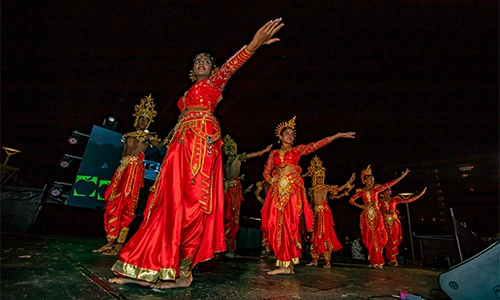
  • attending NAIDOC celebrations and community events eg local sporting carnivals
  • increasing your own awareness and understanding of Aboriginal culture in order to be more supportive of Aboriginal children in care
  • providing a child with lots of support and positive reinforcement to enhance a child’s positive view of themselves, their culture and identity
  • being accepting of the child’s family, their background, lifestyle and culture, and encouraging the child to discuss their family in a positive, yet realistic way
  • helping children to discuss and appreciate differences, and teaching them resilience and strategies to deal with people who are not as accepting of differences
  • helping the child to keep a ‘Life Story Book’, which is a special journal about them that can contain information or photos about themselves and their family, where they are from, stories and photos about access visits, plus participation in cultural events.

What is the Aboriginal and Torres Strait Islander Child Placement Principle?

Download factsheet: Aboriginal Child Placement Principle

The Aboriginal Child Placement Principle (ACPP) is documented in the Community Welfare Act 1983, which legally requires Family and Children’s Services (FACS) to place Aboriginal children in the care of Aboriginal people wherever possible. Equally as important, it upholds the rights of the child’s family and community to have some control and influence in decisions being made about their children.

The ACPP prioritises the placement options that should be explored when an Aboriginal or Torres Strait Islander child is placed in care. They are in order of priority as follows:

  • with a member of the child or young person’s family
  • with a member of the child or young person’s community or language group
  • with an Aboriginal person or Torres Strait Islander person that does not have a familial or kinship relationship to the child.

If a child cannot be placed with any of the above people, alternate placement choices can be made. Other options then include placing the child with:

  • a carer who is not Aboriginal but is considered by FACS to be suitable to care for the child, who will promote and maintain the child’s ongoing connections to their family and community.

Wherever possible, Aboriginal or Torres Strait Islander children should be placed with carers who live in close proximity to the child’s family and/or community.

The ACPP also requires FACS to consult with representatives from the child’s family, kinship group or appropriate Aboriginal organisations in order to make the most informed placement decision s that are in the best interests of the child . This values and supports the importance of Aboriginal people being involved in and making decisions directly related to the care and protection of Aboriginal children.

Why was the Aboriginal Child Placement Principle developed?

The devastating impact of the past assimilation policies on Aboriginal children and their families and communities has been well documented. In later years, measures to prevent further harm to Aboriginal children and communities have been put into place through a number of forums including changes to child protection legislation and practice. One of the most significant changes for Aboriginal people has been the implementation of the Aboriginal Child Placement Principle (ACPP).

The ACPP protects the rights of Aboriginal children to live with their families and in their communities. It upholds their right to identify as Aboriginal and to maintain their connections with their culture. It also affirms the rights of family and community to have some control and influence in decisions being made by child protection authorities over Aboriginal children.

The Purpose of the Aboriginal Child Placement Principle

The Purpose of the Aboriginal Child Placement Principle is to enhance and preserve Aboriginal children’s sense of identity as Aboriginal, by ensuring that Aboriginal children and young people are maintained within their own biological family, extended family, local Aboriginal community, wider Aboriginal community and their Aboriginal culture.

The objectives of the Principle are to ensure that, recognition is given to an Aboriginal child’s right to be raised in their own culture and to the importance and value of family, extended family, kinship networks, culture and community in raising,— ‘growing up’— Aboriginal children1.


1Source
Aboriginal Child Placement Principle Guide
Community Care Division, Victorian Government Department of Human Services
Melbourne Victoria, August 2002

NT Government Website NT Government Website
NT Government Copyright, Disclaimer NT Government Privacy Policy NT Government Interpreter Services Legislation
Print a Friendly Version of This Page Department of Health and Community Services, Northern Territory